
Lately, I’ve been thinking about how early our relationship with money really begins.
Long before conversations, before anyone feels ready to explain anything and even before we realise there’s something being taught. We absored ‘stuff” about money.
See our children are already learning quietly too from what they see around them.
They learn from what causes tension. From what’s avoided, how decisions are made, or not made.From what’s written down, and what only lives in someone’s head.
By the time you decide it’s time to “teach the children about wealth,” most of the lessons are already in place.
This becomes especially noticeable around this time of year.
December amplifies things —spending patterns, family dynamics, the conversations that happen and the ones that don’t. Even in the middle of Detty December, children are watching more than we think.
Not with judgement but with attention.
They’re picking up what money represents in the family; stress or ease, clarity or confusion, security or silence and those impressions settle quietly.
In many families I see, parents are thoughtful and intentional. They want to do right by their children. They want to pass on values, not just assets. But intention doesn’t always translate into the signals being sent.
When money feels chaotic, children absorb anxiety.
When ownership is unclear, they absorb avoidance.
When decisions are personalised, they absorb power struggles.
When structure is missing, they absorb the idea that everything depends on one person.
Even when no one says a word.
What children learn most isn’t what we explain it’s what they experience consistently.
This is where structure begins to matter more than speeches.
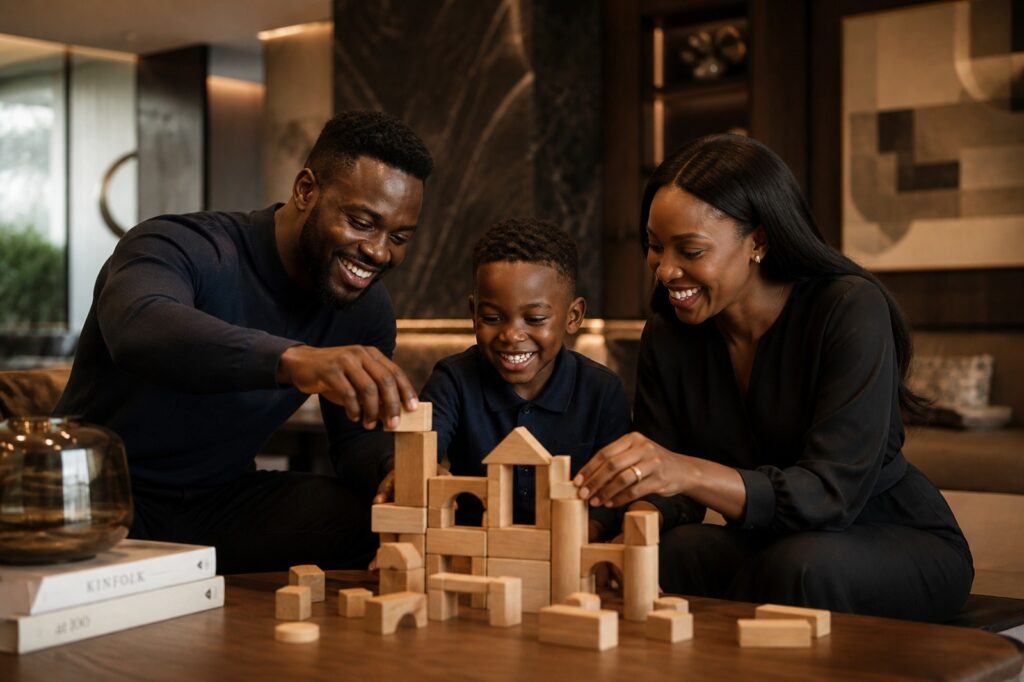
A child who grows up around clarity learns responsibility without being lectured.
A child who sees decisions made calmly learns confidence.
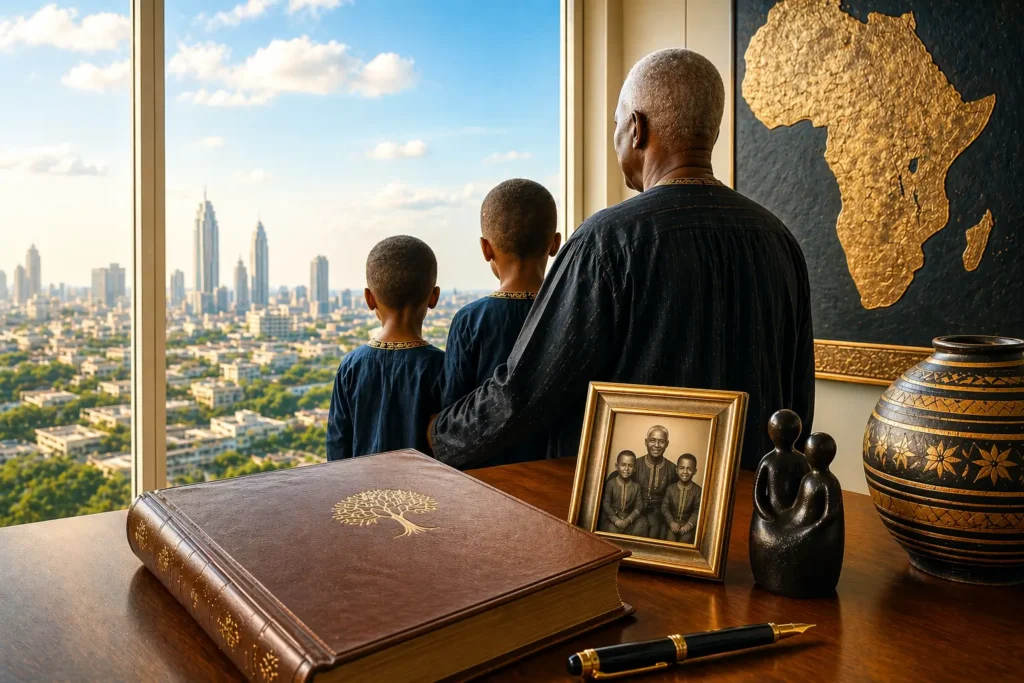
A child who understands that systems exist beyond individuals learns continuity.
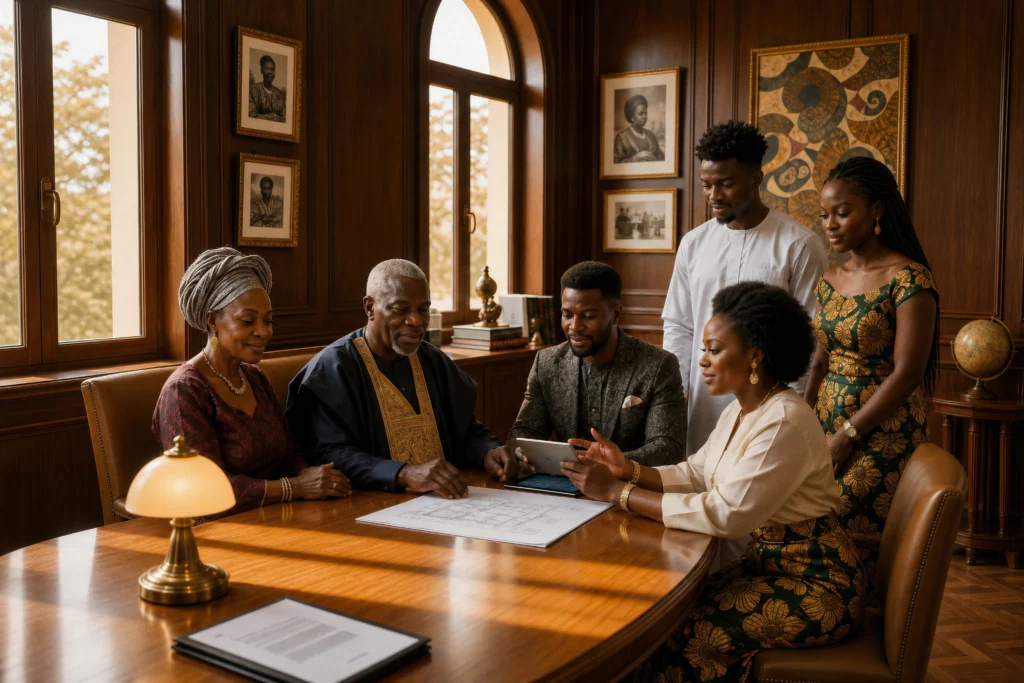
Private family trusts, family meetings, clear roles, documented decisions; these aren’t cold or technical ideas. They’re the everyday signals children absorb without anyone sitting them down to explain.
They see that decisions aren’t emotional, that responsibility is shared and systems exist beyond any one person.
Over time, that modelling does the work. It teaches stability. It builds confidence. It shows them that wealth is organised, intentional, and bigger than any single moment or individual.
When children grow up around that kind of clarity, fear reduces — not because they know everything, but because they can see that things are being handled.
That is what structure really does.
It turns intention into something visible.
It makes care observable.
It allows the next generation to step in gradually, not suddenly.
And what we model quietly, consistently is teaching all the time.